























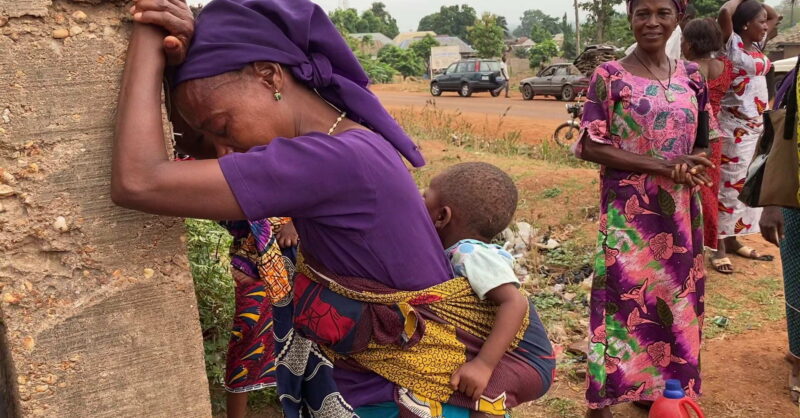
Since 2009, Nigerian Christians along with Nigerians with other beliefs have been facing violence in their towns. According to Global Christian Relief, “In any given year, the number of Christians killed by extremist groups is rarely less than 4,000—often more than in the rest of the world combined.” Recently, this story has hit the news as President Donald Trump fights against Christian persecution around the world.
Many sites claim that there is little persecution going on in Nigeria, however, according to PBS, “In Ligari, villagers say nearly every household has seen a relative, friend or neighbor killed or abducted.” Along with this, churches and victims call for Trump, saying they have been attacked, kidnapped and killed because of their faith for too long.
The reason people have been claiming that Trump is lying about this persecution is likely because there are other people besides Christians being killed in Nigeria. This is true; however, the majority of the people doing the killing are radicalized Islamist groups. These groups tend to target Christians because they don’t believe they have the same set of beliefs. Also, according to Pew Research Center, Muslims make up about 56.1% of the population whereas Christians make up about 43.4%, so more than likely they are killing and kidnapping Christians and are not commonly attacking other Muslims. These groups are not likely to kill Muslims, as they are either in support of these groups or not actively opposing these groups unless they are experiencing violence themselves.
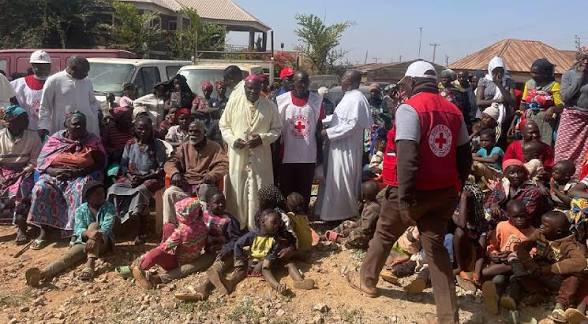
After President Trump publicly spoke up for Christians, Nicki Minaj, a famous rapper, responded to his tweet saying, “Thank you to The President & his team for taking this seriously. God bless every persecuted Christian. Let’s remember to lift them up in prayer.”
Later she was asked to speak at an organized event about the persecution where she said, “In Nigeria, Christians are being targeted. Churches have been burned, families have been torn apart… simply because of how they pray.”
In recent updates, AP News reports, “A total of 100 of the schoolchildren abducted from a Nigerian Catholic school last month have been released, the Christian Association of Nigeria said Monday, adding that more than 100 students remain in captivity.” Approximately 303 children and 12 teachers were taken from the school by gunmen and even though many escaped, Nigerian President Bola Tinubu has promised he will not give up until all hostages are freed from the Jihadist capture. However, Nigerian authorities usually do not say much about rescue efforts and arrests in such cases are rare.
At this point, more than 50,000 Christians have been killed and the number stays on the rise. As the number of attacks increase, President Trump’s urge to send troops into Nigeria to help fix the conflict builds.
Christianity stands as the most persecuted religion in the world and in early August, according to the Voice of Martyrs, “More than 7,000 Nigerian Christians had been killed within the first 220 days of 2025 – an average of 32 deaths per day. Additionally, at least 7,800 followers of Jesus were abducted for their faith, more than 19,000 churches have been destroyed and over 1,100 Christian communities are now dealing with displacement in the aftermath of these attacks.” It is also reported that 80% of violence against Christians worldwide, happens in Nigeria.
Those in Nigeria are refusing help and American troops from coming into their country. Leaders have dismissed the accusations of Christian genocide saying that action will be taken by their own government to stop the violence. According to Newsweek, Nigerian Foreign Minister Yusuf Tuggar speaks up about the violence saying, “It’s not a Nigerian problem. It is a regional problem. It’s the entire West African region. It’s the Lake Chad region, and therefore it’s not a religious conflict or an ethnic conflict. And if you get the framing right, then you get the right narrative, then you apply the right solutions.”
The violence in Nigeria is something that needs more attention. It is important that religions should be able to practice freely without the threat of being killed. Churches should not have to burn, families should not have to be scared and no one should have to die for their beliefs.