
























Every year, Ohioans and Midwesterners in general get inundated with snow, rain and freezing temperatures. What doesn’t show up as often, however, is the sun.. These factors all make up the gloomy days that fill the winter months in our region, where people all over are hit hard by these conditions, which can be tough on our mental health. In more extreme cases, it is also known as Seasonal Affective Disorder (SAD). What specifically about winter triggers winter blues or even SAD? And what can be done to combat it?
One factor is a clear runaway from the rest. The primary contributor behind a mood drop is the decrease in sunlight and all of the hidden nutrients it provides our bodies and minds with. The absence of sun can be blamed for the most SAD symptoms,. ranging from physical, tangible problems to issues involving our subconscious.
The first sun-related issue is our circadian rhythm. More than just a popular song by Drake, our circadian rhythms play an important role in our everyday lives. A circadian rhythm can be defined by being your body’s internal twenty-four-hour clock that responds to light. This “clock” determines when our bodies get hungry, when they need sleep and other daily hormonal events. With the shortened sunlight hours, Midwest winters act as a disruption to our circadian rhythms. For our circadian rhythms, when more darkness is around us, our body produces more melatonin and prepares for sleep. With more melatonin, our body’s “clock” believes we should be sleeping longer, which makes us more tired during the day.
Another more discrete nuance from a lack of sunlight that is specifically present at the high school age levels is a decrease in confidence and self love. For many teens, girls in particular, natural sunrays clear skin and make skin colors tanner. While not all girls prefer tanner skin colors on themselves, many do. With the absence of clear skin and a self desired skin shade, girls can frequently lose self confidence and see themselves as lesser versions of themselves as compared to their summer looks.
Along with lower confidence, an absence of the sun simply drops serotonin levels. The sun provides vital vitamins and activates neurotransmitters in our bodies just like how it regulates our circadian rhythms. One of the most disrupted neurotransmitters without the sun is serotonin. Serotonin is a key neurotransmitter for mood regulation, which with disruptions causes more feelings of sadness. This neurotransmitter is a main culprit for “the winter blues” and lower performance in any work or school environment.

While the sun clearly makes up most of the causes of SAD, simple weather conditions keep people all over stuck inside on all days of the week. For many, staying inside means a large reduction in physical activity or exercise, which further contributes to good mood and pristine mental health. Staying home also means fewer in person social connections, which is important for keeping a good mood. Without any exercise or human to human connection, our bodies and minds aren’t getting the tools they need to be healthy, forcing us into a negative mental space.
While many people do possess differing levels of mental struggles in the winter, it is important to note that there are those who don’t. Many people are immune to the negative effects of snow and cold weather and instead heavily admire these months of the year. Many of these people likely have taken advantage of winter specific events and nature features only available in the cold.
With this in mind and knowing the main influences of SAD, reversing and lessening its effects is simple. In Hudson specifically, there are many easy activities and habits to adopt that can limit the symptoms of SAD. Easy solutions include exercise, social interactions, indulging in community events, uncovering new hobbies, and partaking in outdoor activities.
First, taking advantage of winter sports and exercise opportunities can have many benefits. Skiing or snowboarding at nearby spots like Boston Mills or Brandywine is a way to begin enjoying the snow and cold. Activities as simple as going for outdoor walks around the neighborhoods in Hudson, parks like Hudson Springs, or Cuyahoga Valley National Park can also be extremely adventitious.
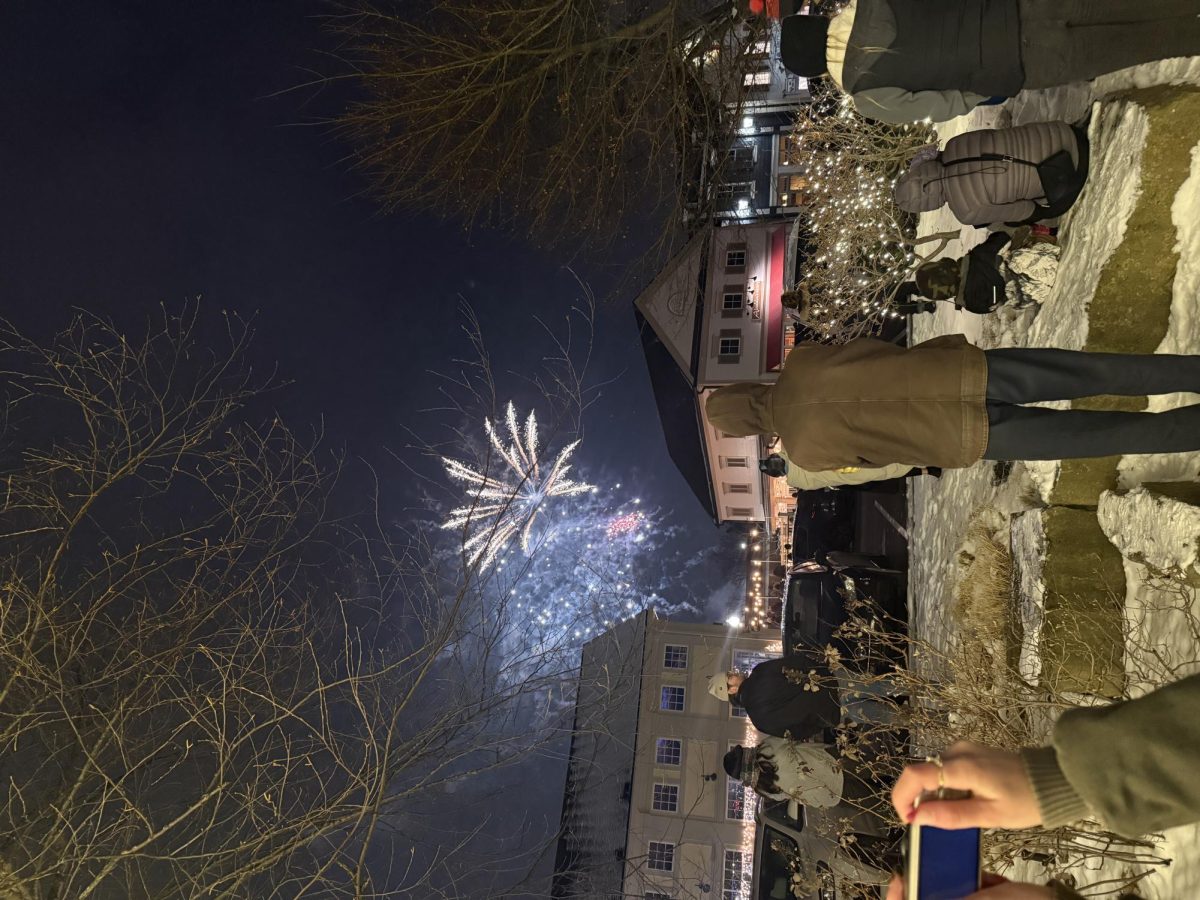
Along with outdoor activities, engaging with others as much as possible is also important. Setting up dates with friends or family to look forward to allows for this. Local cafes or shops in Hudson are perfect places for these to take place. To get in contact with others, events around Hudson should also be exploited as our community offers an abundance of ways to get involved with others like with the downtown Christmas market, winter fireworks and holiday races. If you aren’t able to brave the cold, having others over to your own house for board games or meals also has the same effects.
Lastly, if leaving your home at all isn’t an option, finding ways to keep yourself busy by establishing healthy habits and learning new hobbies is a great way to get out of a winter of despair. Puzzles, reading, and crafting are three popular and useful ways If a low self confidence without the sun is also a point of struggle, taking time indoors for new beauty regimens and self care can go a long way.
Whether you struggle more often in the winter or not, it is clear that there is a large consensus that many people experience seasonal mood changes. With this in mind, it is important to understand the causes behind a seasonal mental health decline as well as prevention. Being knowledgeable in both areas limits how hard SAD symptoms will hit.