





















No matter what changed in my pursuit for a college, whether it be my major or what type of school vibe I was going for, I have always had my eye on an out of state university. Since eighth grade, I could never imagine myself sticking around Ohio. Even with its top notch schools, the thought of staying, while it may sound dramatic, tore my heart out. Now, as the May deadline slowly creeps closer, my decisions are limited. Go out of state like I’ve always dreamed of and sit firmly on a diabolical $400,000 of tuition, or remain in Ohio where a more achievable cost for education stays but crushing the dream of skipping town for a new experience is inevitable.
During the spring break of junior year, I toured more colleges than I can admit, traveling from North Carolina up to Boston and through New York. In Boston, I felt like I had found the place for me. Northeastern University, just outside the bustle of the city, quickly became the dream destination for my next four years. With an insane amount of resources, co-op programs and opportunities in the city, I set my sights on it, applying later in October (without high expectations that I would get in). Just recently, I found out I got accepted, which should’ve been amazing news. I could study at their London campus for my first year, then come home to Boston to carry out the rest of my bachelor’s degree.
It’s safe to say I was ecstatic about the news… until I saw the booming price scribbled in red at the bottom of my acceptance letter. With a measly scholarship of $2,500 a semester, my tuition would cost an upwards of $95,000 for my first year and not far under than for the last three years. What a bargain. Like a bone dangled in front of a dog, my hopes for living in Boston were dashed in an instant.
For many besides me, this experience is common. College prices, as any senior researching potential colleges would know, are daunting. Often, universities use high sticker prices as a way to signal exclusivity as well as a way to maximize revenue after need-based aid and scholarships are given out.
Not only that, but it is often hard to estimate the total cost of a college before accepting admission. In her article “College ‘sticker prices’ have risen dramatically. Here’s why,” NPR’s Elissa Nadworny touches on the murkyness of the education market. She explains that it is very hard to price shop and compare costs: “‘That means colleges don’t really compete on price with one another because students can’t see the price up front,’ says Preston Cooper, a senior fellow at the American Enterprise Institute, a right-leaning think tank. ‘They can’t play different colleges’ pricing offers against one another the way they could in a normal market.’”
Equally as influential to the rising cost of college is the decision to privatize higher education rather than make it a public good. Will Bunch, author of “After the Ivory Tower Falls: How College Broke the American Dream and Blew Up Our Politics – And How to Fix It,” says, “Taxpayer support for public universities has plummeted in most states. In my own state, Pennsylvania, it’s dropped from 75% of the cost to just 25%. Students and their families are asked to make up the substantial difference.”
While I believe that college has obvious benefits and is worth the effort, it is often unfair that a bachelor’s degree is sold as a luxury but advertised as a necessity. The Education Data Initiative shows that the average public university student borrows $31,960 to attain a bachelor’s degree, with the total federal student loan balance in the United States sitting at a pretty $1.833 trillion as of Feb 2. This restriction often leads college graduates to put off buying or renting their own home, getting a car or even getting married.
By inflating the price of higher education, human experiences like traveling or starting a family become luxurious. All of these things are already privileges to be able to take part in, but when college debt mixed with wages not fit to modern inflation come into play, they become almost impossible to achieve. Stephen Kates, a financial analyst at Bankrate explains, “Even though inflation has moderated, prices continue to rise, keeping it a persistent source of frustration.”
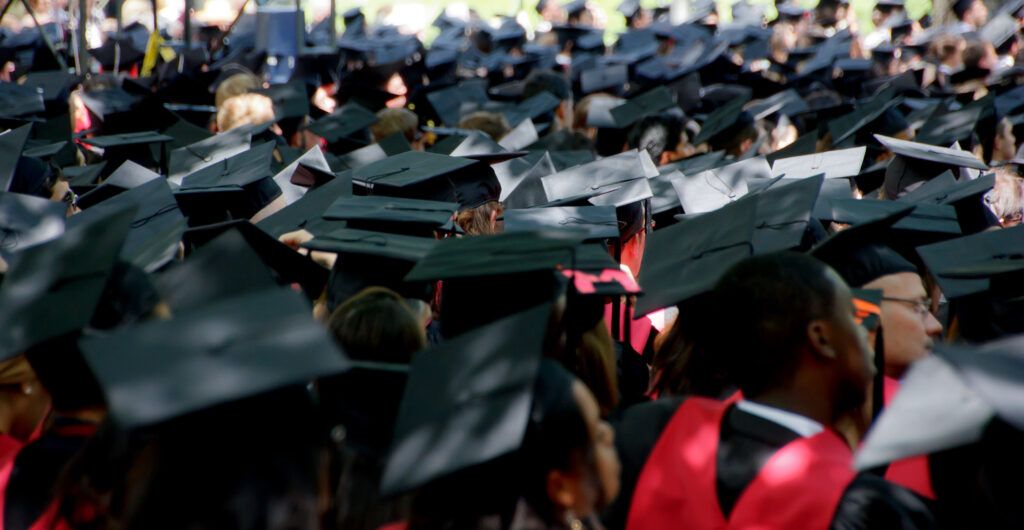
With decisions closing in fast, financial stress gains speed. Understanding the ins and outs of college tuition, total cost and scholarships can better prepare students for the reality of what college brings. No matter what, college is what you make it, and finding a university is only the first step in the lifelong memories higher education holds.